Tips for Creating a Cozy and Productive Home Office Space
Creating a cozy and productive home office space is essential in today’s world where many people work from home. Striking the right balance between comfort and efficiency can boost your focus, reduce stress, and make your workday more enjoyable. Whether you have a dedicated room or just a small corner, the following tips will help you design a space that feels welcoming and helps you stay productive.
Choose the Right Location
The first step is choosing the best spot in your home for your office. Here are some things to consider:
– Quietness: Look for a place with minimal noise where you can concentrate.
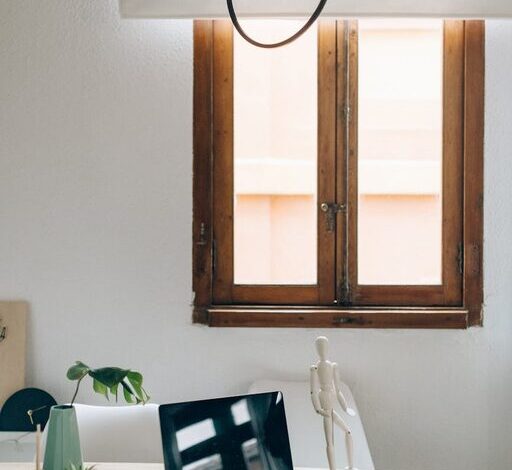
– Natural Light: Try to position your desk near a window to benefit from natural daylight, which improves mood and productivity.
– Space: Ensure you have enough room for your desk, chair, and any equipment you need.
If space is limited, consider multifunctional areas or creating a dedicated corner in a living room or bedroom.
Invest in Comfortable Furniture
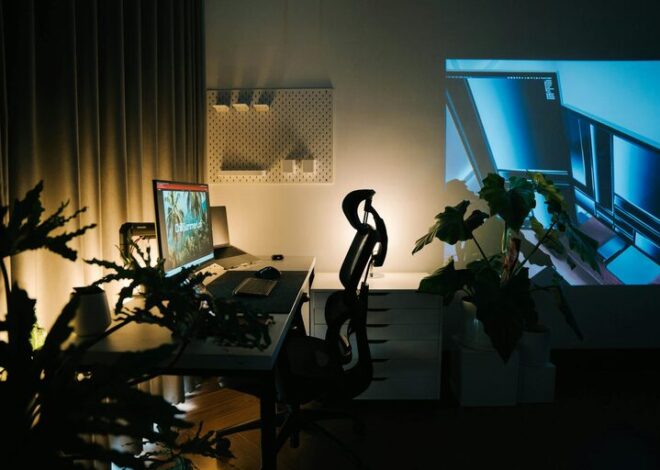
Comfort is key to staying productive. An ergonomic chair and a desk of the right height can prevent discomfort and injuries.
– Ergonomic Chair: Choose one with good lumbar support, adjustable height, and comfortable padding.
– Desk: A desk with enough surface area to accommodate your computer, documents, and accessories is important. Adjustable desks that allow standing and sitting are great options, too.
– Footrest: If your feet don’t naturally touch the ground when seated, a footrest can improve posture and comfort.
Pay Attention to Lighting
Good lighting reduces eye strain and creates a pleasant atmosphere.
– Natural Light: As mentioned, position your desk near a window.
– Task Lighting: Use a desk lamp with adjustable brightness to illuminate your workspace perfectly.
– Ambient Lighting: Overhead lighting should be soft and well-distributed to avoid glare.
Avoid harsh fluorescent lights or flickering bulbs that can cause headaches.
Organize Your Workspace
A clutter-free desk promotes clear thinking.
– Storage Solutions: Use shelves, drawers, or organizers to keep papers and supplies neatly.
– Cable Management: Tidy cables with clips, sleeves, or under-desk trays.
– Minimalism: Keep only essential items on your desk to reduce distractions.
Regularly declutter your space to maintain order.
Add Personal Touches
Making your office feel cozy encourages you to spend time in it.
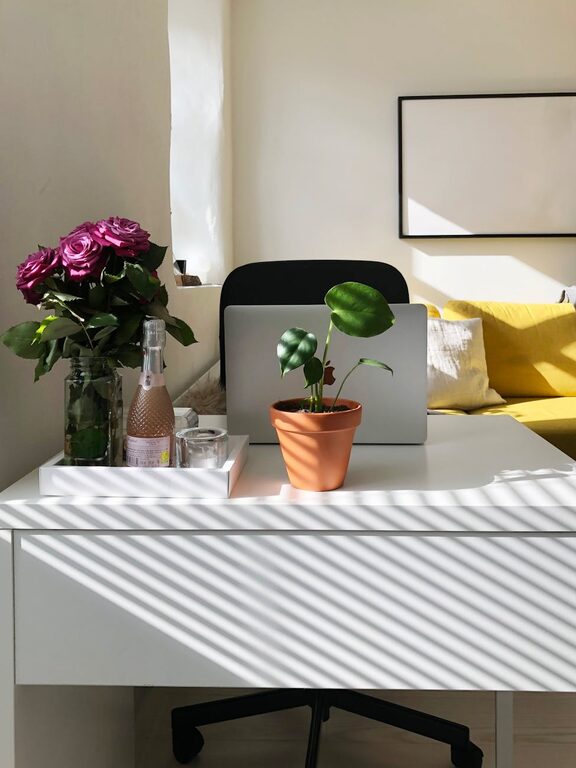
– Plants: Indoor plants enhance air quality and add a refreshing natural element.
– Decor: Choose artwork, photos, or objects that inspire you.
– Textiles: A soft rug, curtains, or cushions can warm up the space.
Just be sure not to overdecorate and clutter your workspace.
Use Technology Wisely
Technology supports productivity but can also cause distractions.
– Reliable Equipment: Invest in a good computer, fast internet, and quality headphones.
– Software Tools: Use apps for time management, note-taking, or task tracking.
– Notifications: Minimize digital interruptions by customizing notification settings.
Having a backup plan for power or internet outages also helps maintain workflow.
Establish Boundaries
Clear boundaries between work and personal time help maintain balance.
– Dedicated Work Hours: Set and stick to fixed times for working.
– Separate Workspace: If possible, use a separate room or area to “leave” work at the end of the day.
– Communicate: Inform household members about your office hours and need for quiet.
This separation supports mental wellbeing and productivity.
Maintain Good Air Quality and Temperature
Comfortable air and temperature contribute to focus.
– Ventilation: Open windows regularly or use air purifiers.
– Temperature Control: Keep the room temperature comfortable, neither too hot nor too cold.
– Humidity: Use a humidifier in dry climates or seasons to avoid dryness.
Incorporate Movement
Sitting all day can be tiring and unhealthy.
– Stretch Breaks: Take short breaks to stretch or walk around.
– Standing Desk Options: Alternate between sitting and standing.
– Exercise Equipment: Keep small items like resistance bands nearby for quick exercises.
Moving regularly improves circulation and alertness.
—
Creating a home office that feels cozy yet supports productivity takes some planning but is well worth the effort. By focusing on comfort, organisation, lighting, and healthy habits, you can craft a space that helps you work efficiently and enjoy the experience. Start small, and gradually customize your office to suit your personal needs and style. Happy working!