Creating a Relaxing Home Office to Boost Productivity and Well-being
Designing a home office that fosters productivity and well-being is more important than ever. A comfortable, calming workspace can help you stay motivated, reduce stress, and maintain a healthy work-life balance. Whether you’re working full-time from home or occasionally need a quiet spot, these tips will help you create an environment that supports your focus and overall happiness.
Understand the Importance of a Relaxing Workspace
Before diving into design ideas, it’s helpful to recognize how your workspace affects your mindset. A cluttered or uncomfortable office can hinder concentration and increase anxiety. On the other hand, a space designed with relaxation and productivity in mind can improve your mood, creativity, and efficiency.
Choose the Right Location
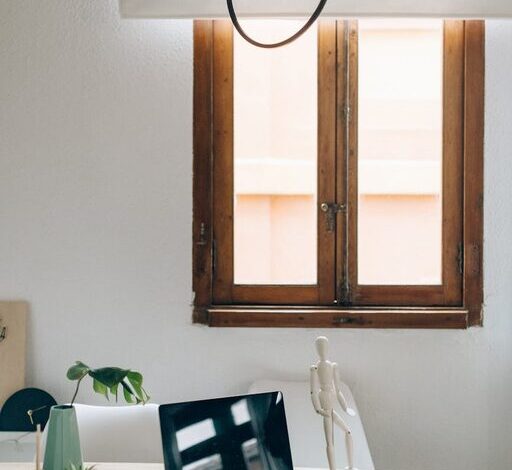
Start by picking a suitable spot for your home office. Ideally, select a quiet area with minimal distractions. If possible, locate it away from noisy household hubs like the kitchen or living room. Natural light is also a key factor—windows provide a pleasant atmosphere and help regulate your circadian rhythm.
Tips for Location:
– Use a spare room, corner, or nook that’s dedicated to work.
– Avoid spaces where you typically relax, to keep work and leisure separate.
– Ensure your wifi signal and power outlets are reliable.
Optimize Lighting
Lighting greatly influences your energy levels and focus. Natural light is best, but when that’s limited, use layered lighting to avoid eye strain.
Lighting Suggestions:
– Position your desk near a window for sunlight during the day.
– Use a desk lamp with adjustable brightness for focused tasks.
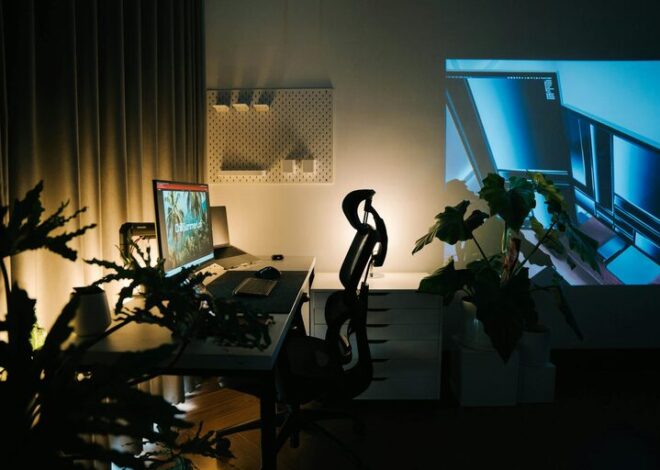
– Consider soft, warm overhead lighting to create a cozy ambiance.
– Avoid harsh fluorescent lights that can cause fatigue.
Invest in Comfortable Furniture
Comfort is critical for your physical health and mental well-being. Choose ergonomic furniture to prevent aches and pains during long work hours.
Furniture Essentials:
– An adjustable chair with good lumbar support.
– A desk at the correct height to keep wrists and arms relaxed.
– Footrests or cushions if needed for better posture.
– Storage solutions like shelves or boxes to keep clutter off the desk.
Maintain a Clean and Organized Space
Clutter can quickly become overwhelming and distract you from your tasks. Keeping your office tidy promotes calmness and efficiency.
Organizing Tips:
– Use trays, folders, or drawers for documents and supplies.
– Daily quick tidying helps prevent mess from building up.
– Keep only essentials on your desk.
– Add labels to storage to find things easily.
Incorporate Elements of Nature
Bringing elements of nature into your workspace has a soothing effect that reduces stress.
Ways to Add Nature:
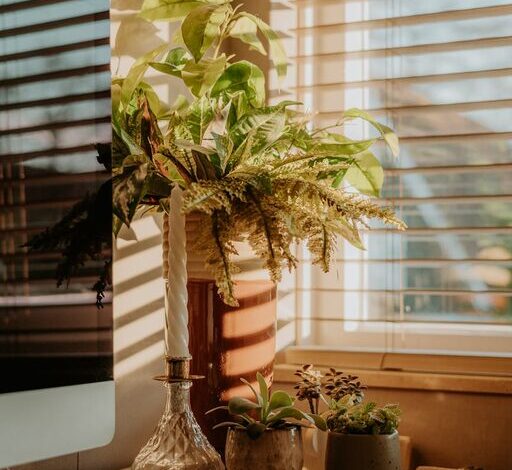
– Place a few houseplants on your desk or shelves.
– Use nature-inspired décor or artwork.
– Open windows to let fresh air circulate.
– Sound apps or small indoor water fountains can mimic natural sounds.
Personalize Thoughtfully
A personalized space feels more inviting but avoid too many distractions. Choose meaningful items that inspire without cluttering your view.
Personalization Ideas:
– Family photos in simple frames.
– Motivational quotes on a corkboard or wall.
– A small, neat collection of books or hobbies related to your work.
– Soft textiles like a cozy throw or cushion.
Manage Noise for Focus
Excess noise can harm concentration and increase stress, so controlling noise is vital.
Noise Management Tips:
– Use noise-cancelling headphones or earplugs.
– Play gentle background music or white noise if it helps you focus.
– Close doors and windows to block external sounds when possible.
– Consider soundproofing options like rugs, curtains, or wall panels.
Set Boundaries and Routine
Even a perfectly designed office won’t improve productivity without clear work boundaries.
Establish Work Habits:
– Define your working hours and communicate them to others.
– Take regular breaks to stretch and refresh.
– Avoid checking work email during off-hours.
– Use a routine to transition into and out of work mode.
Add Calming Scents and Colors
Colors and scents influence mood and productivity subtlety but effectively.
Suggestions:
– Paint walls or add décor in soft, muted tones like blues, greens, or pastels.
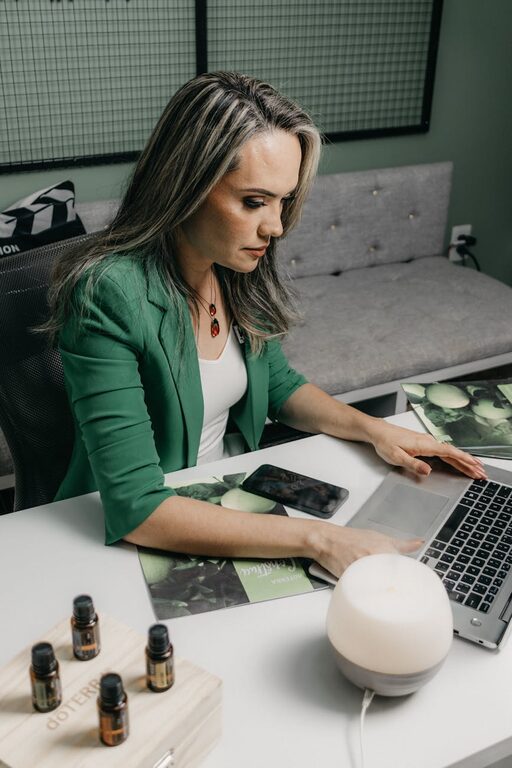
– Use essential oils such as lavender, eucalyptus, or citrus to promote relaxation.
– Avoid overly bright or loud colors that may cause visual fatigue.
Final Thoughts
Creating a relaxing home office is a blend of comfort, organization, and personal touches that support both productivity and well-being. By investing time in your workspace, you can make daily work feel less like a chore and more like a balanced part of your life. Start with a few changes and adjust as you find what best helps you stay calm, focused, and energized.